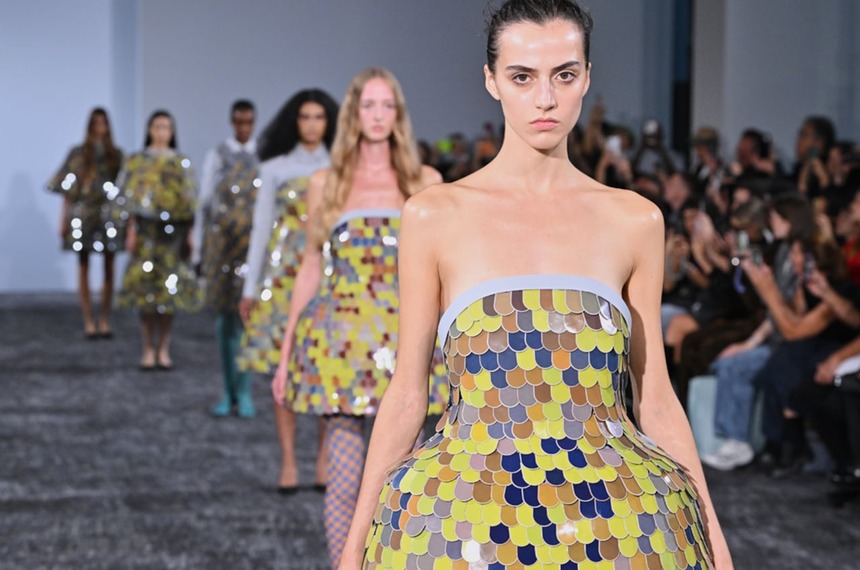
E Ink fashion took center stage in Paris when ANREALAGE presented six dresses that use programmable E Ink electronic paper to change surface color and pattern on the runway.
The collection, led by designer Kunihiko Morinaga, premiered at Maison de la Radio et de la Musique in Paris (a national radio and concert venue). ANREALAGE said the technical core is E Ink Prism 3, and each dress is made of between 1,000 to 2,000 individually controlled electronic-paper modules that look like scales, with the internal wiring planned with the help of artificial intelligence.
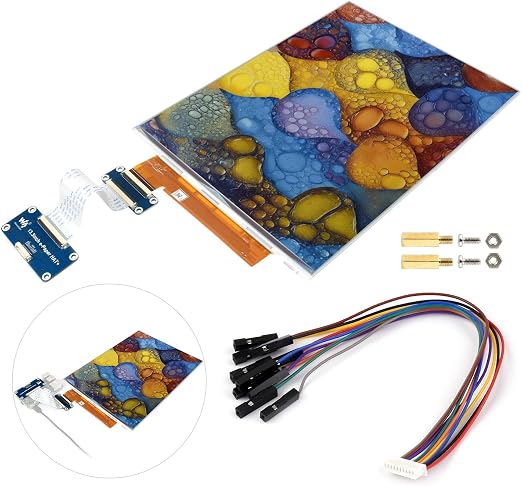
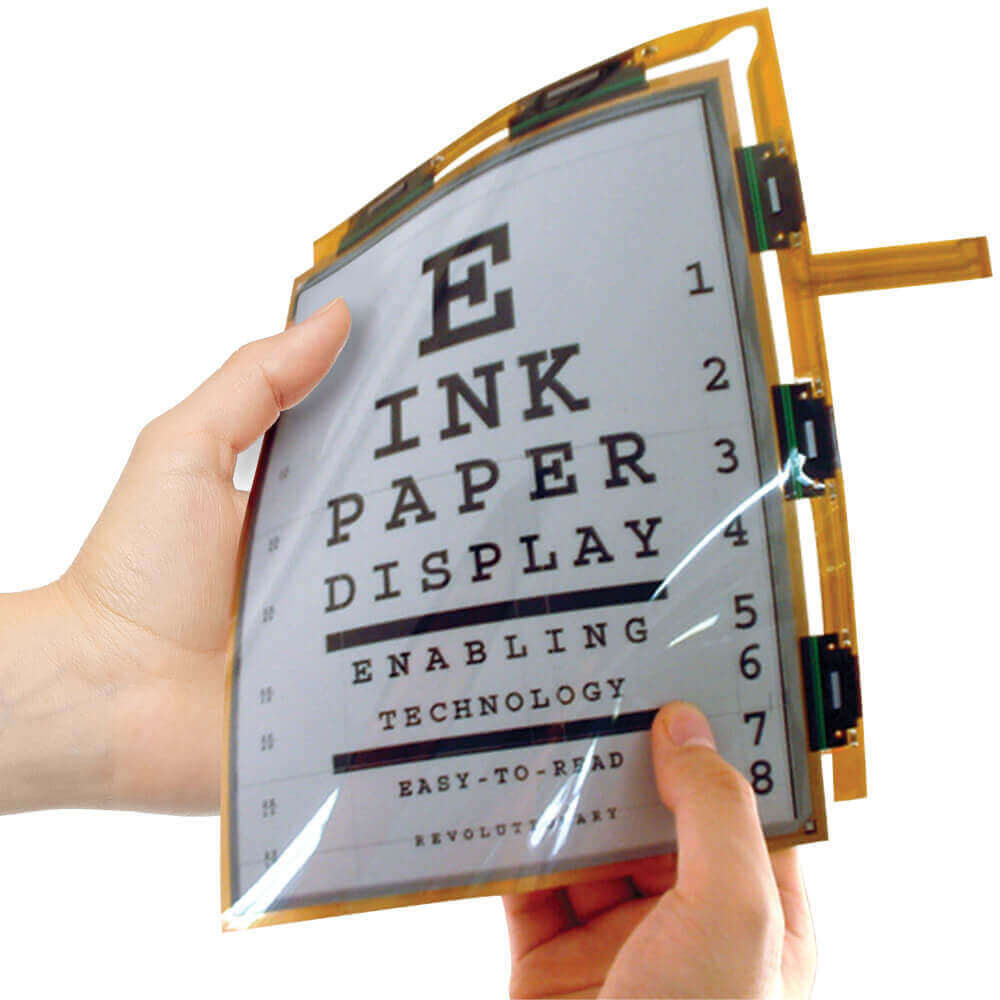
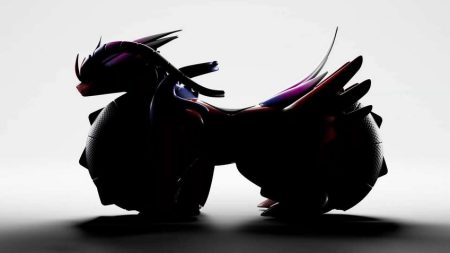
The technology’s journey from e-readers to automobiles and now to clothing has accelerated over the last decade. At CES 2022, BMW wrapped a concept iX Flow in E Ink Prism film so the car could shift from black to white at the touch of a button, a demo that also highlighted potential energy savings by reflecting or absorbing heat depending on the color and climate.
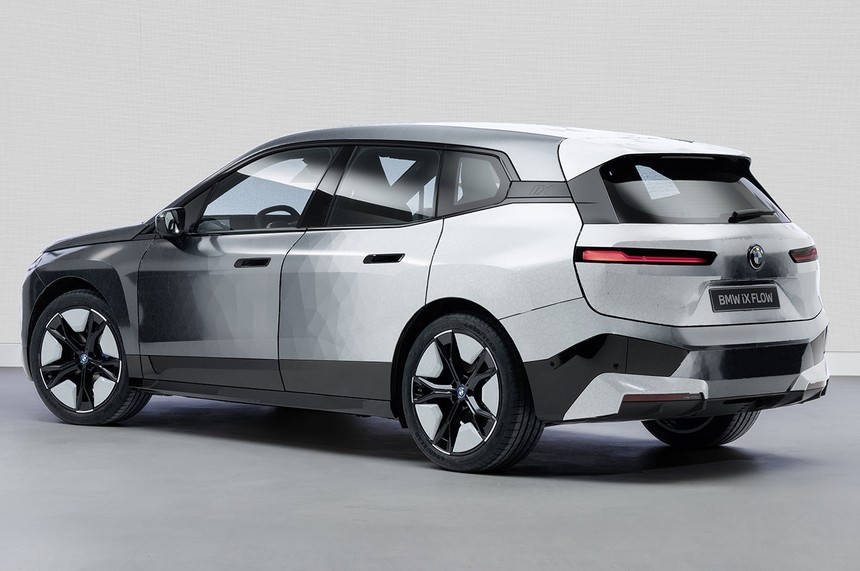
For fashion, E Ink offers a reflective, non self emitting surface that preserves the look and feel of fabric more than a lighted display would. ANREALAGE told attendees that moving from a large continuous film on a car to roughly 2,000 discrete modules on a dress raises the technical complexity significantly, because each module must be individually addressed and integrated into a garment’s structure.
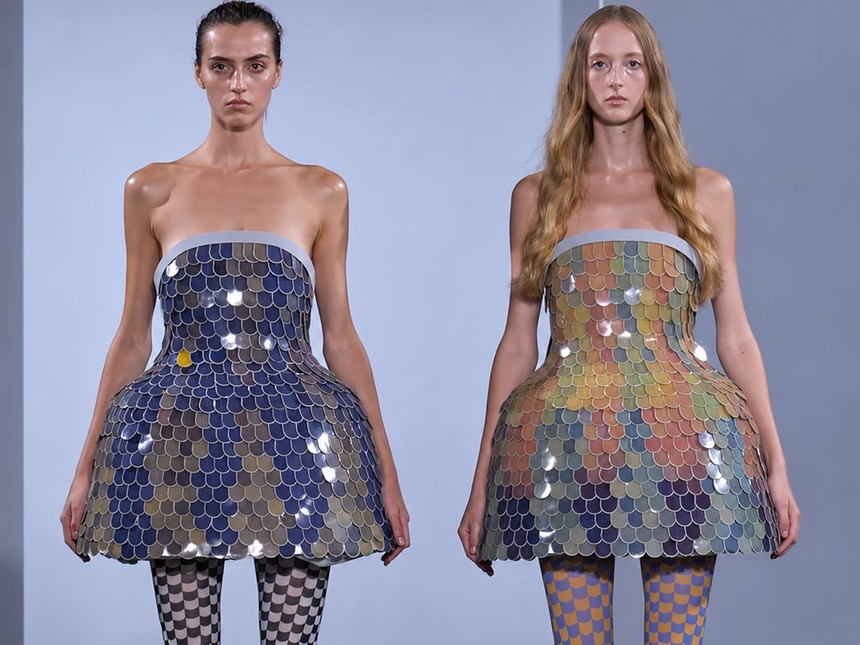
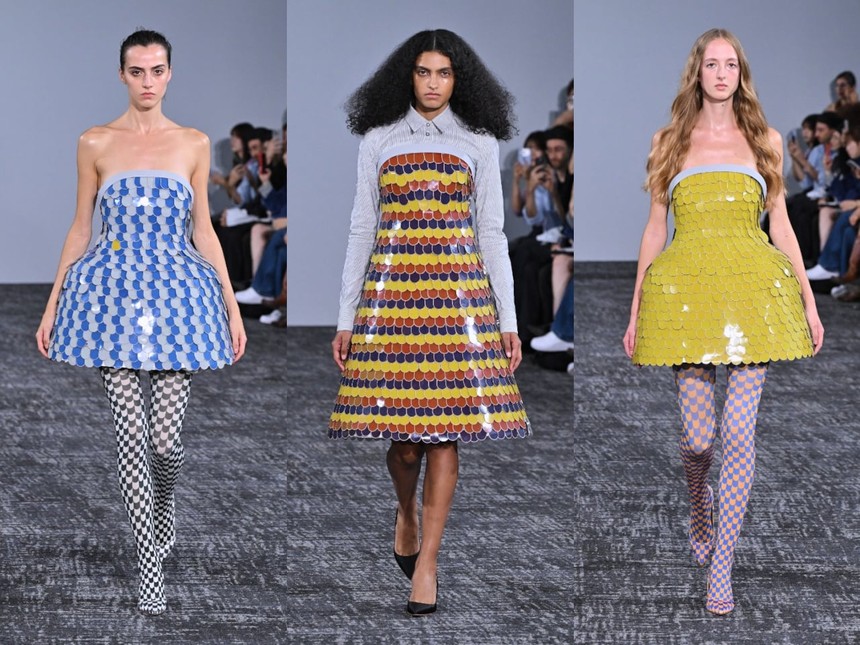
The collection does not rely on E Ink alone. ANREALAGE included SEKISAI 3D printed scales that show different colors through geometry and viewing angle without electricity, and Kyocera’s FOREARTH printing technique that uses just 0.02 liters of water per kilogram of fabric. Together these approaches explore the same idea: surfaces that are not fixed in appearance.
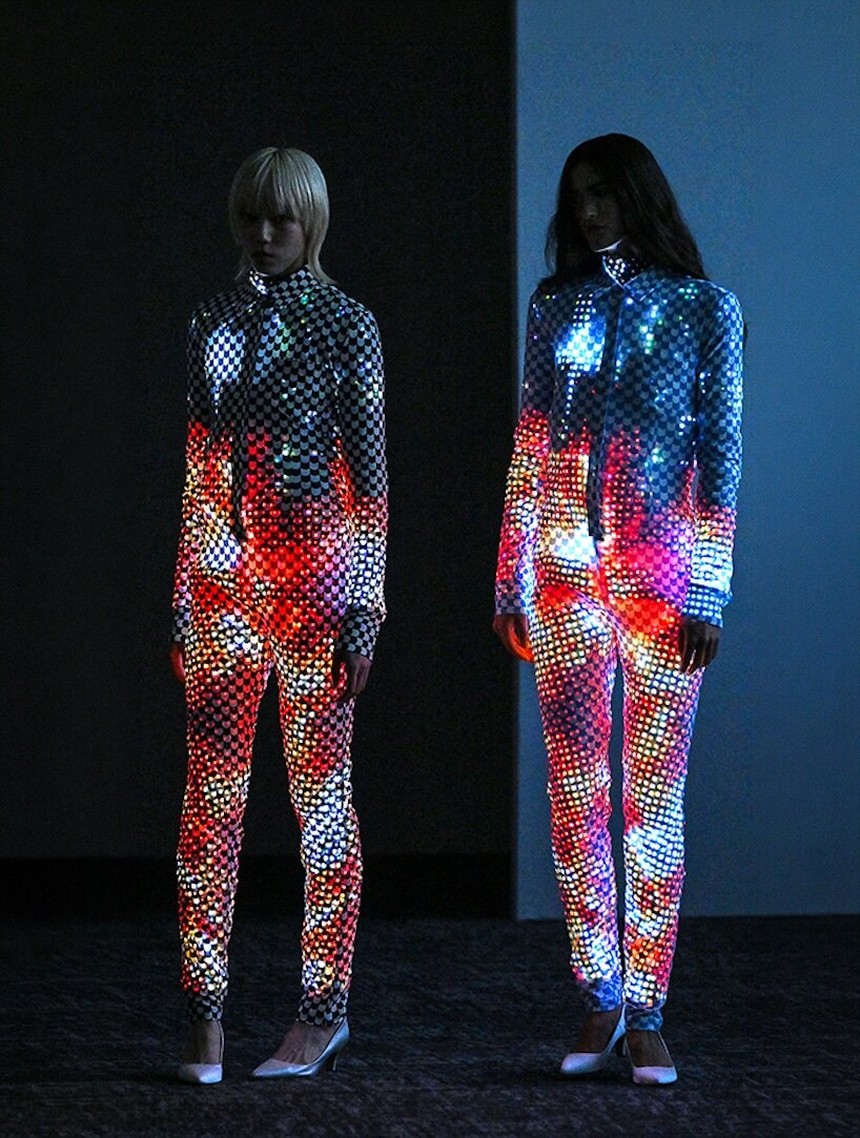
ANREALAGE also closed the show with a final look that used LED digital camouflage as a visual nod to Osamu Tezuka’s Firebird, the brand said. The run of techniques highlights a practical distinction: E Ink is bistable and reflective, so images remain without continuous power, while LEDs require power to emit light and read as electronic devices worn on the body.
Despite the spectacle, these applications remain experimental. BMW’s E Ink concept has not entered production, and ANREALAGE has no retail plan announced for the dresses. Practical questions remain about cleaning garments that contain scores of connected electronic-paper modules and how repairs would be handled if scales fail.
Still, the direction is clear: E Ink fashion and related programmable surfaces are moving from single use displays to large scale, wearable interfaces. Industry demonstrations and brand collaborations suggest the technology’s path will continue from e-readers to architecture, to vehicles, and now to couture, the companies involved said.