Plaud Note Pro review: Plaud’s credit-card-size AI recorder has attracted a surge of Hong Kong users since the company launched locally at the end of 2023, the company said, with local sign-ups up nearly 19 times and more than doubling in the past year.
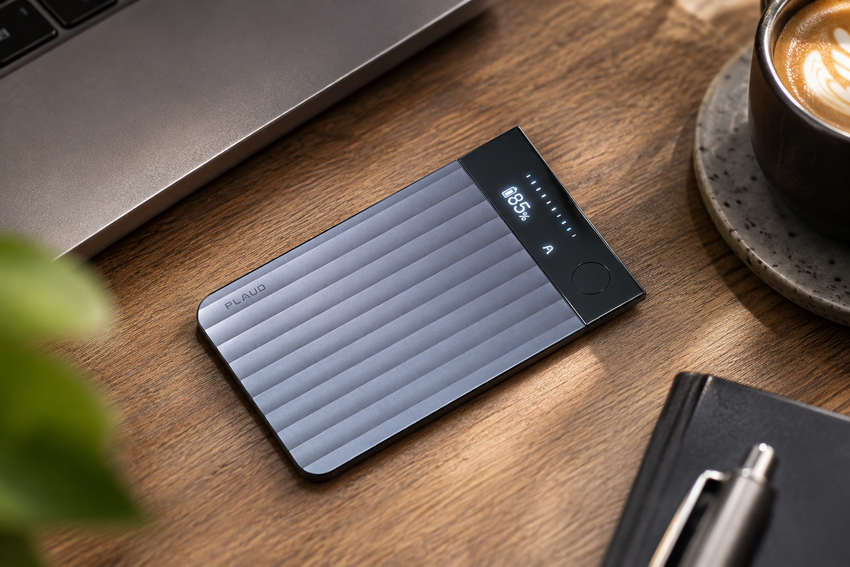
The first thing that stands out about the Plaud Note Pro is its design. Compared with a traditional voice recorder, the credit-card-size body looks and feels more like a premium gadget, measuring 85.6 by 54.1 by 2.99 millimeters (about 3.37 by 2.13 by 0.12 inches) and weighing 30 grams (about 1.06 ounces). The aluminum chassis and Corning Gorilla glass front have a fine wave texture that gives the device a solid, tactile feel.
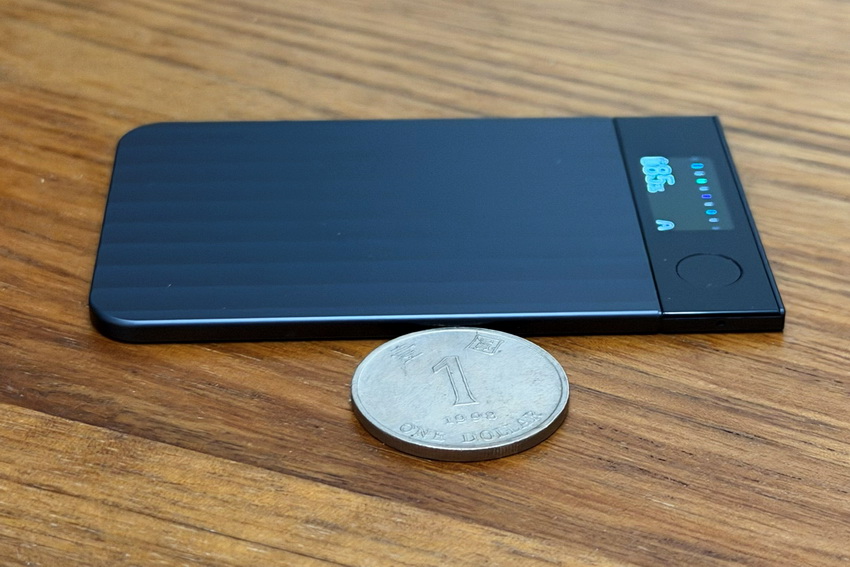
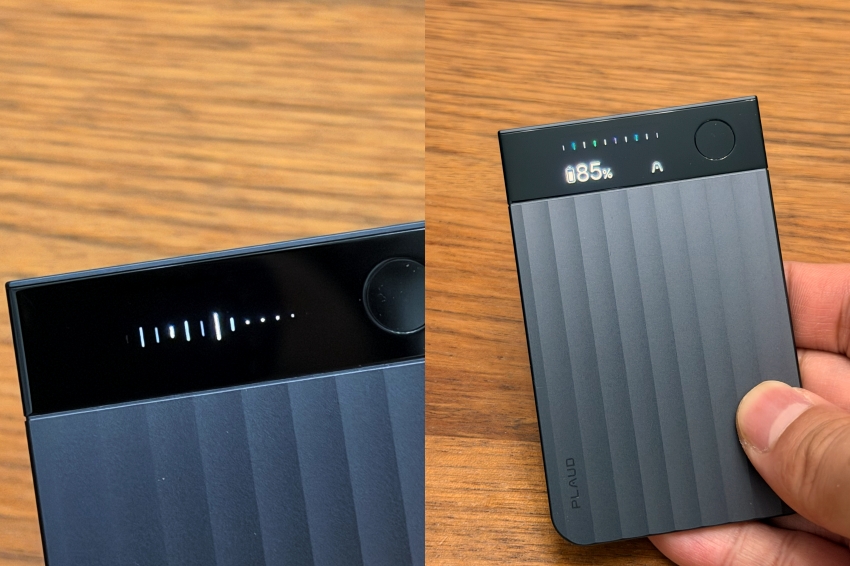
The device includes an AMOLED InstantView screen so you can check recording status and battery without opening the phone app. The display sits flush in the thin body and works alongside physical buttons, keeping the straightforward operation of a traditional recorder while adding modern polish.
One of the most practical touches is the magnetic attachment design. With the included protective case, the Plaud Note Pro snaps to the back of a smartphone, so carrying your phone also means carrying the recorder. For reporters and interviewers this reduces the visibility of recording equipment, which can help conversations feel more natural, while still preserving consent and transparency in interviews.
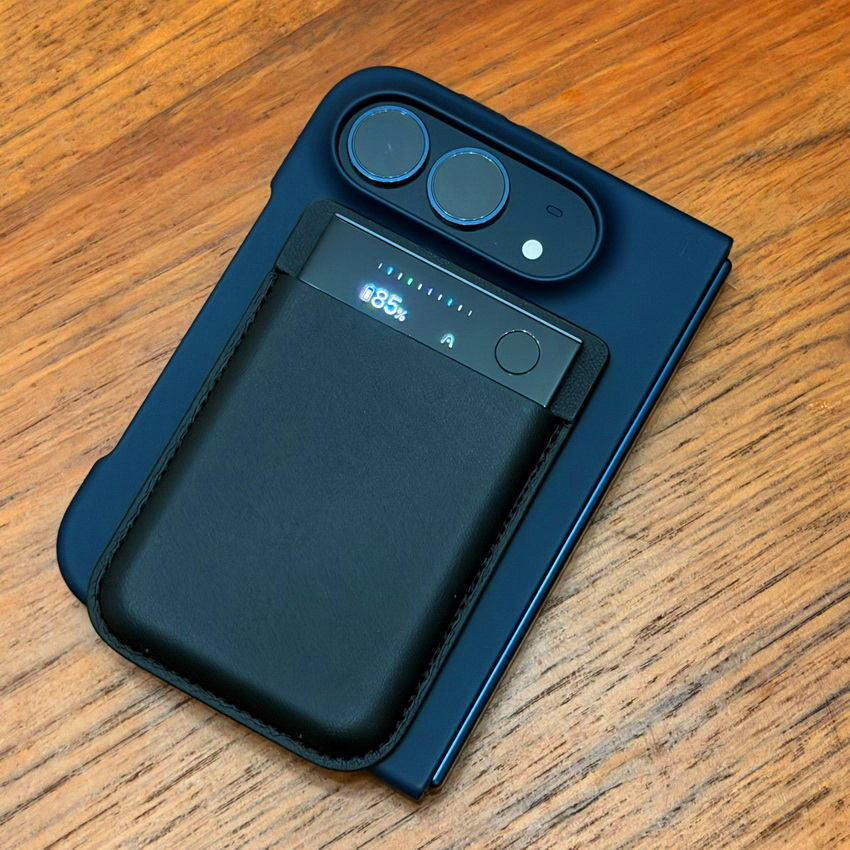
The magnetic case works well for daily carry, but removing the device from the case is not as smooth as it could be. The recorder feels secure when docked, yet extracting it can be awkward when you need to carry it independently. A revised eject mechanism would improve the user experience.
Setup and operation are simple. After downloading the Plaud app, enable Bluetooth and follow the pairing prompts. Long press the physical button to start recording, short press to mark highlights, and then sync recordings via Bluetooth or Wi-Fi to view transcripts and summaries in the app. The workflow is straightforward, so users unfamiliar with AI tools can get started quickly.
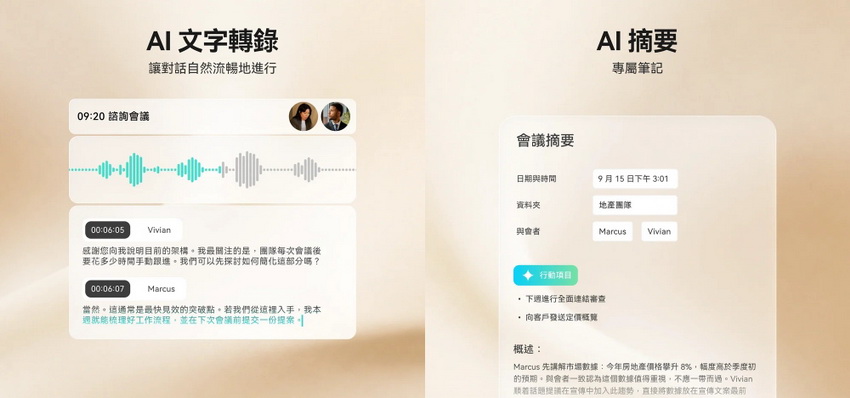
Why not just use a phone? For frequent interviewers the practical differences matter. A phone may be used for notes, messaging, photos, or calls during an interview, which can interrupt or compromise an audio capture and drain battery. A separate recorder lets you split those tasks. The Plaud Note Pro has four MEMS microphones and a VPU, and Plaud says it can capture sound up to 5 meters away (about 16.4 feet). In low-power mode it supports up to 50 hours of continuous recording, and in boosted mode 30 hours, with smart switching for phone calls and live meeting scenarios.
Hardware is only part of the story, the company said. Plaud Intelligence is the software layer that turns recordings into usable work products. Plaud told reporters the platform has more than 3 million users in over 170 countries, and supports over 112 languages, including Cantonese, Mandarin, and English, with speaker identification useful for bilingual meetings common in Hong Kong.
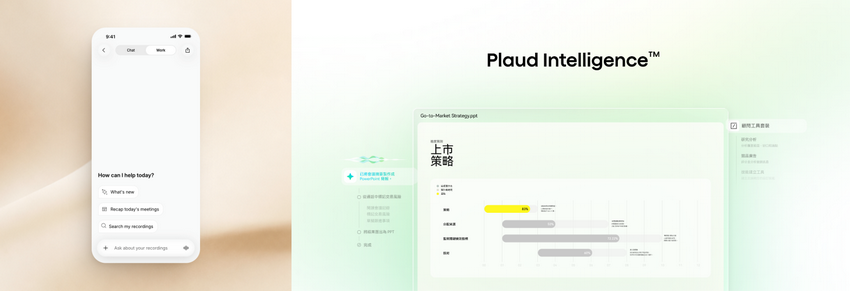
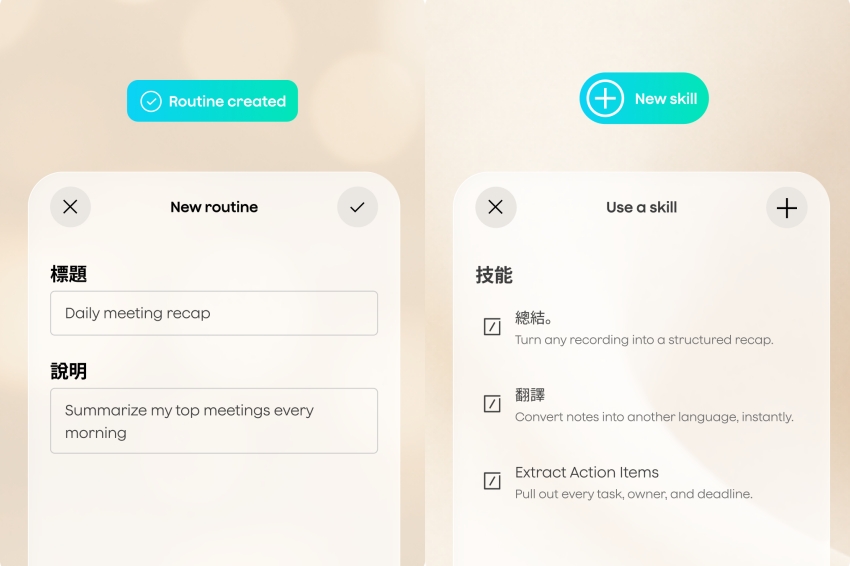
Plaud Agent expands AI beyond transcription. Ask Plaud offers Chat and Work modes. In Chat you can query a recording, for example to find where a speaker mentioned a brand or figure. In Work the service can generate Word, PDF, and PowerPoint documents from dialogue, and draft follow-up emails. Plaud also integrates with Slack, Notion, Google Calendar, and Linear, and lets users build Skills and Routines to automate repetitive tasks. These features are valuable for people who handle large volumes of interviews or meeting recordings, though AI-generated transcripts and documents still need human verification for names, numbers, and technical terms.
The Plaud app runs on iOS, Android, macOS, and Windows, so you can manage recordings on phones and computers. Plaud Desktop records computer audio from services such as Zoom, Teams, and Google Meet without requiring a separate meeting bot, expanding use cases beyond face-to-face interviews.
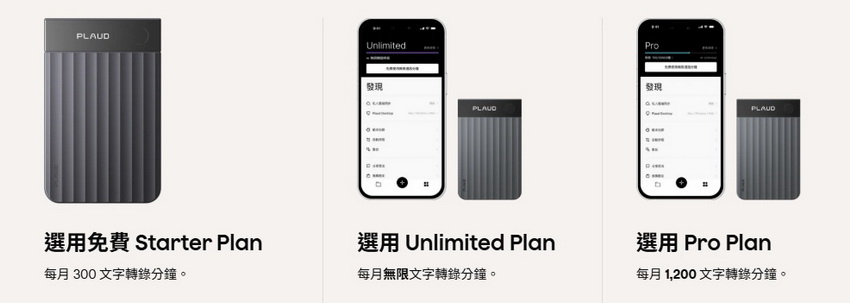
Which plan is right depends on recording habits. The free Starter plan includes 300 minutes of transcription per month, or about 5 hours. For weekly long meetings you may prefer the Pro plan with 1,200 minutes, or the Unlimited plan for continuous daily use, which limits daily transcription to 24 hours. Advanced Work features use Plaud Credits, while basic transcription, built-in summaries, and Chat do not consume Credits. After a recent app update, Plaud is offering promotional Credits: 600 for Starter users, 2,400 for Pro, and 6,000 for Unlimited, valid for three months so users can try new features.
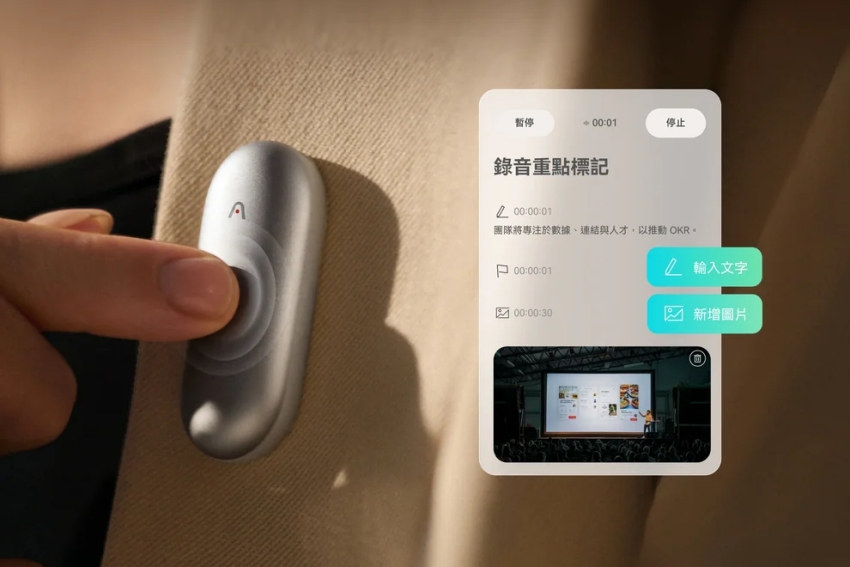
Plaud Note Pro is not for everyone. If you only record occasionally, a phone may be sufficient and buying extra hardware plus a subscription may not make sense. However, for people who run meetings, conduct interviews, handle cross-language content, and want to cut time spent organizing notes, Plaud combines recording with AI workflows in a way that can be compelling. Plaud also sells the NotePin S, a 17.4-gram wearable model that clips, hangs, or straps on, and supports up to 20 hours of continuous recording, which is useful for on-the-go, hands-free capture.
Pricing and availability in Hong Kong, converted to U.S. dollars using the exchange rate 1 HKD = 0.1275 USD: the Plaud Note Pro and Plaud NotePin S are both priced at approximately $178 (originally HK$1,399). The Pro subscription is about $19 per month (originally HK$148), Unlimited is about $29 per month (originally HK$228), and the Team plan is about $36 per seat per month (originally HK$285). Additional Plaud Credits start at approximately $11 (originally HK$88) for 1,000 points. Plaud said the products are sold at more than 75 physical retail outlets across Hong Kong, including Fortress, Broadway, and Broadway Circuit electronics stores, and are available from the official site hk.plaud.ai and online retailers.
For frequent interviewers and meeting hosts, the Plaud Note Pro integrates design, hardware, and AI to move beyond plain voice recording into task automation and document generation. For occasional users, the phone still works. As with all AI tools, verify key details before relying on generated transcripts or follow-up documents.